Why do my Teeth Hurt ? Learn common causes of tooth pain, sensitivity, cavities and gum problems, plus when to see a dentist in Gadital, Hadapsar, Pune.
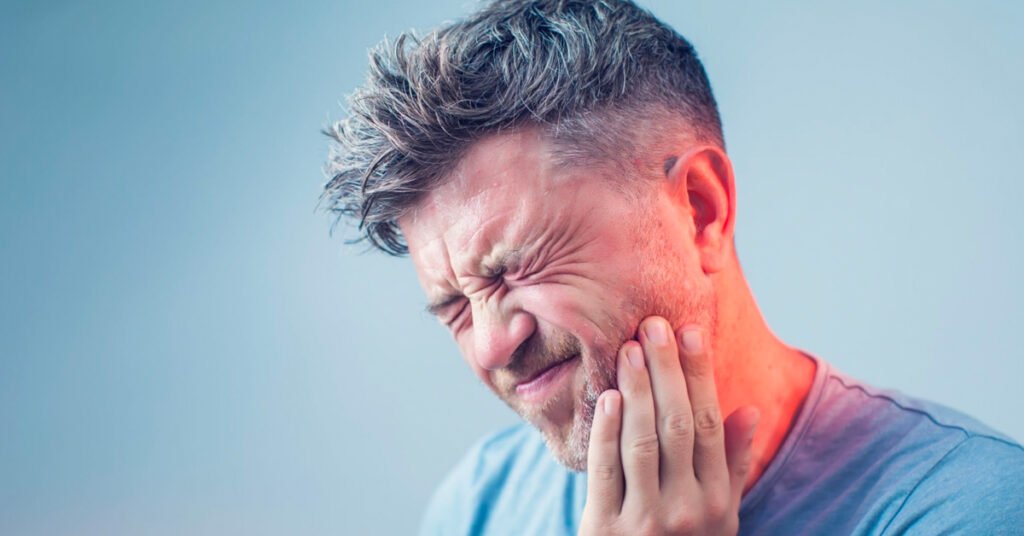
Have you ever taken a sip of cold water and suddenly felt a sharp pain in your tooth? Or perhaps your tooth starts hurting when you bite into something, eat sweets, or even when you are simply sitting quietly?
Tooth pain is common, but it should not always be ignored. A toothache can happen because of a cavity, sensitivity, gum problems, a cracked tooth, an infection, or even teeth grinding. Sometimes the pain may feel minor at first but can become more uncomfortable if the underlying problem is left untreated.
Table of Contents
If you live around Gadital, Hadapsar, Pune, and are experiencing persistent tooth pain, consulting a dental professional can help identify the actual cause instead of simply managing the pain temporarily.
At Dr. Swapna’s Advanced Dental, patients can seek professional dental consultation for tooth pain, sensitivity, cavities, gum concerns, and other oral-health problems.
Why Does My Teeth Hurt?
Tooth pain happens when the nerves or tissues inside or around a tooth become irritated. The type and intensity of pain can provide some clues, but only a proper dental examination can determine the exact cause.
Common reasons include:
- Tooth decay or cavities
- Tooth sensitivity
- Gum disease
- Cracked or damaged teeth
- Dental infection
- Wisdom tooth problems
- Teeth grinding
- Worn-out fillings
- Food trapped between teeth
Let’s look at these causes in more detail.
1. Tooth Decay and Cavities
A cavity is one of the most common reasons for tooth pain.
Dental decay develops when bacteria in the mouth produce acids that gradually damage the tooth. Early decay may not cause noticeable symptoms, but as it progresses deeper, you may experience sensitivity or pain.
You may notice:
- Pain when eating sweets
- Sensitivity to cold drinks
- Food getting stuck in a particular tooth
- A visible dark spot or hole
- Pain while chewing
If you suspect a cavity, don’t wait until the pain becomes severe. Early dental evaluation may help prevent the problem from becoming more complicated.
2. Tooth Sensitivity
Does your tooth hurt when you drink cold water, eat ice cream, or have hot tea?
You may have tooth sensitivity.
Sensitivity can occur when the protective enamel becomes worn or when the underlying dentin becomes exposed. Gum recession can also expose sensitive parts of the tooth.
Common triggers include:
- Cold foods and drinks
- Hot beverages
- Sweet foods
- Acidic foods
- Cold air
- Brushing
The cause of sensitivity matters. Simply using a sensitivity toothpaste may not address an underlying cavity, gum recession, crack, or other dental problem.
3. Gum Problems
Sometimes what feels like tooth pain actually comes from the gums or tissues supporting the teeth.
Gum problems can cause:
- Red or swollen gums
- Bleeding while brushing
- Gum tenderness
- Persistent bad breath
- Gum recession
- Loose teeth in advanced cases
Healthy gums are an important part of a healthy smile. If your gums frequently bleed or remain swollen, consider getting them professionally evaluated.
4. Cracked or Broken Teeth Hurt
A cracked tooth can cause sudden or sharp pain, especially when you bite down.
A crack can happen because of:
- Biting hard foods
- Accidental injury
- Teeth grinding
- Large fillings
- Normal wear over time
Some cracks are difficult to see yourself. If you experience pain when biting that repeatedly comes and goes, a dentist should examine the tooth.
5. Dental Infection
An untreated cavity or damaged tooth can sometimes lead to an infection inside the tooth.
Possible symptoms include:
- Severe or throbbing toothache
- Swelling around the tooth
- Pain while chewing
- Bad taste in the mouth
- Gum swelling
- Fever or feeling unwell
A dental infection should not be ignored. Painkillers may temporarily reduce discomfort, but they do not remove the underlying source of a dental infection.
If you have facial swelling, difficulty swallowing or breathing, or rapidly worsening symptoms, seek urgent professional care.
6. Wisdom Tooth Problems
Wisdom teeth can sometimes cause discomfort when they do not have enough space to erupt properly.
You may experience:
- Pain at the back of the jaw
- Swollen gums
- Difficulty opening your mouth
- Food getting trapped around the tooth
- Jaw discomfort
A dental examination can help determine the position of the wisdom tooth and whether treatment is necessary.
7. Teeth Grinding and Jaw Clenching
Do you wake up with a sore jaw or sensitive teeth?
You may be grinding or clenching your teeth, sometimes without realising it.
Long-term grinding can contribute to:
- Tooth sensitivity
- Worn tooth surfaces
- Cracks
- Jaw discomfort
- Morning headaches
If you notice these symptoms, discuss them with your dentist. Identifying the habit early may help protect your teeth from further wear.
8. Food Stuck Between Your Teeth
Sometimes the reason is surprisingly simple.
Food can become trapped between teeth and put pressure on the surrounding gums. This may cause temporary discomfort or tenderness.
Carefully cleaning between your teeth may help remove trapped food. Avoid using sharp objects to try to clean between teeth because this can injure your gums.
If the pain remains after cleaning, arrange a dental examination.
Why Does My Teeth Hurt When I Bite?
Pain while biting can have several possible causes.
It may be associated with:
- A cracked tooth
- Dental decay
- Inflammation around the tooth
- A damaged filling
- Infection
- Bite-related problems
If the same tooth repeatedly hurts when you bite, it is better to have it examined rather than continuing to chew on the opposite side.
Why Do My Teeth Hurt When I Drink Cold Water?
Cold sensitivity can occur when dentin is exposed or when the tooth has decay, enamel wear, gum recession, or another dental problem.
If the pain is brief and occasional, it may be related to sensitivity. If the pain lingers, becomes stronger, or occurs without an obvious trigger, a dentist should evaluate the tooth.
What Can I Do for Tooth Pain at Home?
While waiting for a dental appointment, a few simple measures may provide temporary comfort:
- Rinse gently with warm salt water.
- Keep brushing your teeth gently.
- Clean between your teeth carefully.
- Avoid very hot, cold, sweet, or hard foods if they trigger pain.
- Drink water regularly.
- Avoid chewing on the painful side.
These measures are for temporary comfort. They should not replace professional dental care when the underlying problem is persistent.
Don’t Put Aspirin Directly on Your Tooth
A common home remedy is placing aspirin directly against a painful tooth or gum.
This is not recommended because it can irritate or damage the soft tissues of your mouth.
If you need medication for pain, ask a healthcare professional or pharmacist about an appropriate option for you.
When Should You Visit a Dentist?
You should consider booking a dental consultation if:
- Your toothache continues
- Pain keeps returning
- You have severe tooth pain
- Your gums are swollen
- You notice facial swelling
- You have pain while biting
- You have persistent sensitivity
- A tooth is cracked or broken
- You notice a visible cavity
- You have fever along with dental symptoms
Don’t wait for severe pain before getting a dental check-up.
Many dental problems can develop before they cause obvious symptoms.
How Can You Prevent Tooth Pain?
A few simple habits can make a significant difference.
Brush Twice a Day
Brush gently twice daily using fluoride toothpaste.
Clean Between Your Teeth
Floss or use an appropriate interdental cleaning method to remove plaque and food particles between teeth.
Limit Frequent Sugary Snacks
Frequent exposure to sugar can increase the risk of tooth decay.
Drink More Water
Water can help rinse away food particles and is a better everyday choice than frequently consuming sugary drinks.
Avoid Using Your Teeth as Tools
Do not use your teeth to open packages, bottles, or other objects. This can cause chips and cracks.
Visit Your Dentist Regularly
Routine dental examinations can help identify cavities, gum problems, worn fillings, and other concerns before they become painful.
Dental Care in Gadital, Hadapsar, Pune
If you are searching for a Dentist in Gadital, Dental Clinic in Gadital, Dentist in Hadapsar, or Dental Clinic in Hadapsar, Pune, choosing a conveniently located dental clinic can make it easier to maintain regular oral care.
Dr. Swapna’s Advanced Dental provides dental care for patients in and around the Gadital and Hadapsar, Pune area.
If you are experiencing tooth pain, sensitivity, cavities, gum problems, or another dental concern, a professional examination can help determine the cause and appropriate treatment.
Instead of searching only for a quick home remedy for toothache, consider getting the problem properly evaluated, particularly when pain persists or keeps returning.
Final Thoughts
A toothache is your body’s way of telling you that something may need attention. It could be something relatively simple, such as temporary sensitivity or food trapped between teeth, or it could indicate a cavity, cracked tooth, gum problem, or dental infection.
The important thing is not to keep treating recurring pain only with temporary remedies.
If you live in or around Gadital, Hadapsar, Pune, and are looking for professional dental care, Dr. Swapna’s Advanced Dental can be considered for consultation and treatment based on your individual dental needs.
Whether you are searching for a Dentist in Gadital, Dentist in Hadapsar, Dental Clinic in Gadital, Dental Clinic in Hadapsar Pune, Dentist Near Me, or Dental Care in Hadapsar, professional evaluation can help you understand the actual cause of your tooth pain and choose the right treatment.
Frequently Asked Questions About Tooth Pain
Why do my teeth hurt suddenly?
Sudden tooth pain can be caused by sensitivity, a cavity, a cracked tooth, food trapped between teeth, gum problems, or other dental conditions. An examination is the best way to identify the cause.
Why does my tooth hurt when I eat sweets?
Pain from sweet foods can occur with tooth decay or exposed dentin. If the sensitivity happens repeatedly, a dentist should examine the tooth.
Why does my tooth hurt when I drink cold water?
Cold sensitivity can be associated with enamel wear, exposed dentin, gum recession, cavities, cracks, or other dental conditions.
Can a cavity cause severe tooth pain?
Yes. If decay progresses deeper into the tooth, it can cause significant pain and may affect the inner tissues of the tooth.
Can tooth pain go away on its own?
Sometimes dental pain may temporarily disappear, but that does not necessarily mean the underlying problem has been resolved. Recurring or persistent pain should be evaluated.
Should I visit a dentist for mild tooth pain?
If mild pain continues, repeatedly returns, or is accompanied by sensitivity, swelling, or other symptoms, a dental check-up is advisable.
How can I prevent toothache?
Good oral hygiene, fluoride toothpaste, cleaning between teeth, limiting frequent sugar intake, avoiding tobacco, and regular dental examinations can help reduce the risk of common dental problems.