Learn how smile rehabilitation can restore worn, damaged, or missing teeth. Explore dental restoration and full mouth rehabilitation in Hadapsar, Pune. Teeth do a lot more than help us smile. They help us chew food, speak clearly and maintain the natural shape of our smile. However, years of daily use, untreated dental problems, accidents or teeth grinding can gradually affect their strength and appearance.
You may notice that your teeth look shorter than before, a tooth has become chipped, or you have difficulty chewing because one or more teeth are missing. Sometimes, several dental concerns develop together, making it difficult to decide which treatment to consider first.
Table of Contents
This is where smile rehabilitation may help. It is a personalised approach to restoring the condition, function and appearance of teeth based on an individual’s dental needs. Depending on the situation, treatment may involve dental fillings, crowns, bridges, dental implants, gum treatment or other restorative procedures.
For people exploring smile rehabilitation in Pune, understanding the available treatment options is a useful first step. A dental examination can help identify the cause of the problem and determine which treatments may be appropriate.
At Dr. Swapna’s Advanced Dental Clinic in Gadital, Hadapsar, Pune, patients can discuss concerns about worn, damaged or missing teeth and explore suitable restorative and cosmetic dental care options.
What Is Smile Rehabilitation?
Smile rehabilitation hadapsar is a comprehensive approach to improving a smile when dental problems affect the appearance, strength or function of teeth. Unlike treatments that focus only on cosmetic improvements, rehabilitation may address underlying issues that interfere with comfortable chewing or long-term oral health.
For example, a person with several worn teeth may need an assessment of their bite and possible teeth grinding. Someone with multiple missing teeth may require a treatment plan that considers tooth replacement, gum health and the condition of the remaining teeth.
The goal is to help restore comfortable oral function while achieving a natural-looking result where possible.
Treatment varies from person to person. Some patients may need only one or two restorations, while others may benefit from a more extensive treatment plan involving multiple teeth.
Common Dental Problems That May Require Smile Rehabilitation
Several dental concerns can affect the strength, comfort and appearance of your smile. Recognising them early can help you seek appropriate dental advice.
1. Worn Teeth
Tooth wear can happen gradually. You may notice flatter biting surfaces, shorter teeth, rough edges or increased sensitivity to hot and cold foods.
Possible causes include teeth grinding, acidic food and drinks, acid reflux and other forms of tooth wear. The appropriate treatment depends on identifying the cause and assessing how much tooth structure remains.
Depending on the condition of the teeth, treatment may include protective measures, bonded restorations or crowns where clinically appropriate. If grinding contributes to the problem, a dentist may recommend a suitable protective night guard.
2. Damaged or Broken Teeth
A tooth can become chipped, cracked or broken after an accident, biting something hard or developing extensive decay.
Small chips may sometimes be repaired with tooth-coloured composite bonding. More extensive damage may require a filling, onlay or crown. If the inner pulp of a tooth is affected, root canal treatment may be necessary before the tooth is restored.
A cracked tooth should be examined because the extent and location of the crack influence whether it can be repaired.
3. Missing Teeth
Missing teeth can make chewing less comfortable and may affect speech, depending on which teeth are absent. Gaps can also influence how neighbouring teeth are positioned over time.
Treatment options may include dental implants, fixed dental bridges or removable dentures. The best option depends on the number of missing teeth, bone condition, gum health, medical history and individual preferences.
Replacing missing teeth is not always urgent in every situation, but an assessment can help you understand the potential effects of leaving the gap untreated.
4. Extensive Tooth Decay
When tooth decay progresses, it can weaken the structure of a tooth and cause pain or sensitivity. If several teeth are affected, a broader treatment plan may be needed.
Depending on the extent of decay, treatment may involve fillings, crowns, root canal treatment or extraction when a tooth cannot be predictably restored.
Treating active decay is important before proceeding with elective cosmetic improvements.
5. Old or Failing Dental Restorations
Fillings, crowns and bridges can wear down, become damaged or develop problems at their margins. A loose restoration, persistent sensitivity or food repeatedly getting trapped around a tooth may indicate the need for assessment.
A dentist can determine whether the existing restoration can be repaired, needs replacement or is affected by an underlying dental problem.
What Treatments Are Used in Smile Rehabilitation?
Smile rehabilitation does not involve one standard procedure. The treatment plan is based on the condition of your teeth, gums and bite.
Dental Fillings and Composite Restorations
Tooth-coloured fillings can restore teeth affected by cavities or minor damage. Composite restorations may also repair certain chips and rebuild small areas of lost tooth structure.
The aim is to preserve as much healthy natural tooth structure as possible while restoring the tooth’s shape and function.
Dental Crowns
A dental crown covers the visible portion of a tooth to restore its shape, strength and function. Crowns may be recommended for teeth that are extensively damaged, weakened after root canal treatment or unsuitable for a simpler restoration.
Not every damaged tooth requires a crown. Your dentist will assess the remaining tooth structure and discuss suitable alternatives.
Dental Bridges
A dental bridge can replace one or more missing teeth by using support from neighbouring teeth or implants, depending on the design.
A conventional bridge may require preparation of the supporting teeth. An implant-supported bridge may be an option in selected cases. Each approach has different benefits, limitations and maintenance requirements.
Dental Implants
Dental implants are placed in the jawbone to support replacement teeth. They may be used to replace a single missing tooth or support a bridge or denture.
Implant treatment requires an assessment of bone volume, gum health and other factors that affect healing and suitability. It may involve a surgical procedure and a healing period before the final restoration is fitted.
Root Canal Treatment
When the pulp inside a tooth becomes irreversibly inflamed or infected, root canal treatment may be recommended to treat the affected tissue and retain the tooth when possible.
After treatment, the tooth may require a suitable restoration to protect the remaining structure. The type of restoration depends on the amount of healthy tooth structure left.
Gum Treatment
Healthy gums provide essential support for natural teeth. If gum disease is present, treatment may be needed before restorative procedures begin.
Depending on the condition, care may include professional cleaning, periodontal treatment and ongoing maintenance.
Bite Assessment and Protection
When teeth are severely worn or restorations repeatedly break, the dentist may evaluate how the upper and lower teeth meet.
If teeth grinding is contributing to the damage, a protective appliance and advice on managing contributing factors may be recommended. More extensive bite-related treatment should be planned carefully and only when clinically justified.
What Is Full Mouth Rehabilitation?
Full mouth rehabilitation is a more extensive form of restorative treatment that may involve rebuilding or restoring many teeth in the upper and lower jaws.
It may be considered when several teeth are heavily worn, extensively damaged, missing or affected by failing restorations. The treatment plan may combine crowns, bridges, implants, fillings, root canal treatment and gum care as required.
For example, a person with significant tooth wear and several missing teeth may need a coordinated plan to restore chewing function, protect the remaining teeth and improve the appearance of the smile.
Full mouth rehabilitation does not automatically mean that every tooth needs a crown or that implants are necessary. The dentist should assess each tooth individually and recommend the least invasive treatment that can provide an appropriate result.
Smile Rehabilitation vs Cosmetic Dentistry
Smile rehabilitation and cosmetic dentistry can overlap, but they generally have different primary goals.
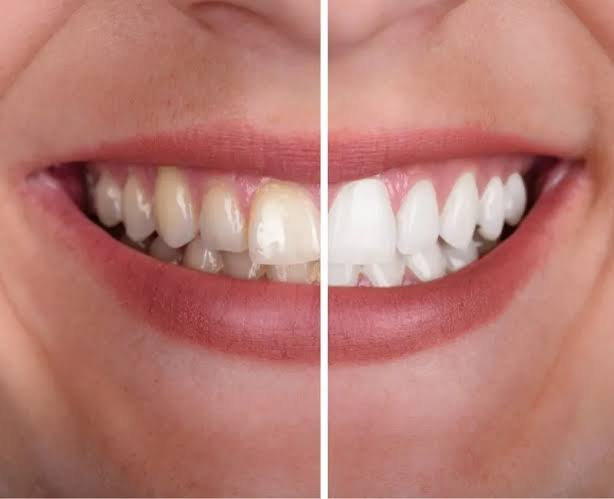
Cosmetic dentistry focuses mainly on improving the appearance of teeth and the smile. Common procedures include professional teeth whitening, veneers and composite bonding.
Smile rehabilitation takes a broader view when damaged, worn or missing teeth require functional restoration as well as aesthetic improvement.
For example, someone with healthy teeth and surface staining may be suitable for a cosmetic procedure. Someone with multiple broken teeth and difficulty chewing may require restorative treatment first, with cosmetic improvements incorporated into the plan where appropriate.
The correct choice depends on a clinical examination rather than appearance alone.
Who May Benefit from Smile Rehabilitation?
You may benefit from a dental assessment for smile rehabilitation if you experience one or more of the following:
- Teeth that are noticeably worn down or flattened.
- Broken, chipped or extensively damaged teeth.
- One or more missing teeth.
- Difficulty chewing certain foods.
- Multiple fillings or crowns that need reassessment.
- Changes in the way your upper and lower teeth meet.
- Sensitivity associated with tooth wear or damage.
- A combination of functional and cosmetic dental concerns.
These symptoms do not automatically mean you need comprehensive rehabilitation. In some cases, a simple restoration or preventive treatment may be sufficient.
If you have severe tooth pain, facial swelling, fever or difficulty swallowing, seek urgent dental or medical care rather than waiting for a routine cosmetic consultation.
How Does the Smile Rehabilitation Process Work?
A planned approach helps the dentist identify the main concerns and explain the available treatment options.
Step 1: Dental Consultation
The first appointment involves discussing your concerns, dental history and expectations. Tell your dentist about any pain, sensitivity, previous dental work, grinding habits or difficulty chewing.
Step 2: Examination and Diagnosis
The dentist examines your teeth, gums, existing restorations and bite. X-rays or other diagnostic records may be recommended when necessary to assess problems that are not visible during a routine examination.
Step 3: Treatment Planning
After assessing your dental condition, the dentist explains which problems need attention and the order in which treatment should be completed.
For example, active decay or gum disease may need to be treated before crowns or other restorative work begins.
Step 4: Restorative Treatment
Treatment may be completed in stages. Depending on your needs, this could involve fillings, crowns, root canal treatment, tooth replacement or other procedures.
The dentist should explain the purpose, limitations and maintenance requirements of each recommended treatment.
Step 5: Review and Maintenance
Follow-up appointments help assess healing, the fit of restorations and your comfort when chewing. Regular dental visits and good home care remain important after treatment.
How Long Does Smile Rehabilitation Take?
The treatment timeline depends on the complexity of the case.
A single damaged tooth may be restored in a relatively short period, depending on the procedure. Replacing a missing tooth with a dental implant usually takes longer because the implant needs time to integrate with the surrounding bone before the final restoration is placed, although the exact process varies.
Full mouth rehabilitation may require several appointments over a period of months or longer. The timeline can be influenced by the number of teeth involved, the need for gum treatment, healing requirements and the type of restorations selected.
Your dentist can provide a more realistic estimate after completing the examination and preparing your treatment plan.
What Affects the Cost of Smile Rehabilitation in Pune?
The cost of smile rehabilitation in Pune varies depending on the treatment required. There is no single price that applies to every patient.
Factors that influence the cost include:
- The number of teeth that need treatment.
- The extent of tooth damage or wear.
- Whether crowns, bridges or dental implants are needed.
- The need for root canal or gum treatment.
- The type of restorative materials selected.
- Diagnostic investigations and follow-up appointments.
- The complexity of the overall treatment plan.
A patient who needs one filling will generally require a different level of treatment from someone who needs several restorations and replacement of missing teeth.
During your consultation, ask for a clear estimate that outlines the recommended procedures, alternative options and expected maintenance costs.
How Can You Protect Your Teeth After Rehabilitation?
Maintaining your results requires consistent oral care and regular dental reviews.
Brush twice a day: Use fluoride toothpaste and a soft-bristled toothbrush.
Clean between your teeth: Floss or use suitable interdental cleaning tools to remove plaque from areas your toothbrush may miss.
Limit frequent exposure to acidic drinks: Repeated exposure to acidic beverages can contribute to enamel erosion. Rinse with water after acidic foods or drinks and avoid brushing immediately after an acidic exposure.
Avoid biting hard objects: Do not use your teeth to open packaging or bite non-food objects.
Address teeth grinding: If you grind or clench your teeth, discuss whether a protective night guard is suitable.
Attend regular dental check-ups: Your dentist can monitor your natural teeth, gums and restorations.
Seek advice when something changes: Pain, swelling, a loose crown or bridge, or discomfort while chewing should be assessed promptly.
These habits can help protect your oral health, although restorations may still require maintenance or replacement over time.
Smile Rehabilitation in Hadapsar, Pune
If you have worn, damaged or missing teeth, the first step is understanding what has caused the problem and which treatment options are suitable for your situation.
Dr. Swapna’s Advanced Dental Clinic is located in Gadital, Hadapsar, Pune. Patients can contact the clinic to discuss restorative dental concerns and ask about treatment options for damaged teeth, missing teeth and smile improvement.
The right dental treatment depends on your oral health, smile goals and the condition of your teeth. A dental consultation can help you understand the available options and choose a suitable treatment plan.
Visit Dr. Swapna’s Advanced Dental Clinic in Hadapsar, Pune
Dr. Swapna’s Advanced Dental Clinic is located at D.P. Road, Gadital, Hadapsar, Pune, Maharashtra. If you are considering a smile makeover or need advice about damaged, worn or missing teeth, you can contact the clinic to discuss your concerns and explore suitable cosmetic and restorative dental treatments.
For more information, visit https://drswapnasdental.in/, call +91 87679 75948, or find the clinic on Google Maps.
FAQs
1. What is smile rehabilitation in dentistry?
Smile rehabilitation is an approach to improving the condition, function and appearance of teeth. Depending on the patient’s needs, it may involve restoring damaged teeth, replacing missing teeth, treating gum problems and addressing bite-related concerns.
2. Can worn teeth be restored?
In many cases, worn teeth can be restored, but the treatment depends on the cause and severity of the wear. Options may include bonded restorations, onlays or crowns where appropriate. The dentist may also recommend measures to prevent further damage.
3. What is the best treatment for missing teeth?
Dental implants, bridges and removable dentures are common options. The most suitable choice depends on bone condition, gum health, the number of missing teeth, overall health and personal preferences.
4. Is full mouth rehabilitation necessary for damaged teeth?
Not always. A single damaged tooth may need only a filling or another localised restoration. Full mouth rehabilitation is generally considered when several teeth or broader functional problems require coordinated treatment.
5. How long does smile rehabilitation take?
Simple restorative procedures may require only a few appointments. More complex cases involving multiple teeth, implants or gum treatment may take several months or longer. Your dentist can estimate the timeline after examination.
6. Is smile rehabilitation painful?
Comfort depends on the procedure and the condition being treated. Local anaesthesia is commonly used for procedures that require it. Some temporary soreness or sensitivity may occur afterward. Your dentist can explain what to expect for your specific treatment.
7. Can smile rehabilitation improve chewing?
It may help improve chewing when the underlying problem is related to damaged, worn or missing teeth. The result depends on the cause of the difficulty and the treatment performed.
8. What is the difference between smile rehabilitation and full mouth rehabilitation?
Smile rehabilitation is a broad term for improving the condition and appearance of a smile. Full mouth rehabilitation generally involves a more extensive plan to restore multiple teeth and address function across the mouth.
9. How much does smile rehabilitation cost in Pune?
The cost depends on the number of teeth involved, the procedures needed and the materials selected. An examination and individual treatment estimate are necessary to determine the likely cost.
10. Where can I consult a dentist for smile rehabilitation in Hadapsar?
You can contact Dr. Swapna’s Advanced Dental Clinic in Gadital, Hadapsar, Pune, to discuss your dental concerns and ask about restorative treatment options.