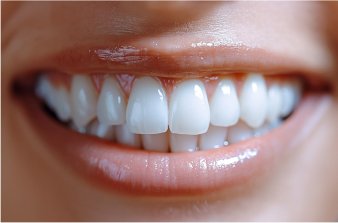
A healthy smile plays an important role in everyday life. It helps you enjoy meals, speak comfortably, and interact with confidence. When teeth become damaged, worn, or missing, the effects can extend beyond appearance. You might avoid certain foods, chew on only one side, or feel uncomfortable smiling in photographs.
Sometimes, several dental concerns develop together. An old filling may break, a missing tooth may remain unreplaced, and other teeth may gradually become worn. Treating each problem separately without considering the whole mouth may not address everything affecting your comfort.
Table of Contents
Smile rehabilitation brings these concerns into a coordinated treatment plan. The aim is to improve oral health, restore useful function, and create an appearance that suits you.
If you are exploring smile rehabilitation in Pune, understanding the process can help you ask informed questions and make decisions with greater confidence.
What Is Smile Rehabilitation?
Smile rehabilitation is a broad term for planned dental care that repairs damaged teeth, replaces missing teeth where appropriate, and addresses related oral health concerns.
It is not one procedure or a standard package. Depending on your needs, it may involve fillings, bonded restorations, crowns, bridges, dentures, implants, gum treatment, or orthodontic care.
For one person, smile restoration may mean repairing a few damaged teeth. For another, dental rehabilitation may involve rebuilding function across much of the mouth.
The starting point is a diagnosis. Your dentist needs to understand what has happened to your teeth, why it happened, and what treatment is necessary.
The goal should be appropriate care that preserves healthy structures wherever possible, rather than changing every tooth simply to create a uniform appearance.
Is Smile Rehabilitation the Same as Full Mouth Rehabilitation?
The terms overlap, but they do not always describe the same extent of treatment.
Smile rehabilitation can refer to a limited or extensive plan involving health, function, and appearance. Full mouth rehabilitation generally describes more comprehensive treatment across both dental arches when multiple problems affect the mouth.
Someone with widespread tooth wear, several missing teeth, and heavily restored teeth may need a broader assessment than someone with a few chipped front teeth.
Full mouth rehabilitation does not automatically mean extracting all remaining teeth or placing crowns on every tooth. The treatment should reflect the condition and outlook of each tooth.
Ask your dentist to explain which areas need treatment, which can be monitored, and why a comprehensive approach is being recommended.
Smile Rehabilitation and a Smile Makeover: What Is the Difference?
A smile makeover usually focuses mainly on appearance. It may address tooth colour, shape, spacing, or visible alignment.
Smile rehabilitation places particular emphasis on restoring health and function, although appearance can also be an important goal.
For example, a person with healthy teeth who wants a brighter smile may be considering cosmetic treatment. Someone with broken teeth, missing back teeth, and difficulty chewing may need restorative dentistry and a more coordinated plan.
These categories can overlap. What matters is that cosmetic changes do not distract from untreated decay, gum disease, or structural problems.
A natural-looking smile is valuable, but it should be supported by a treatment plan that considers comfort, cleanability, and long-term maintenance.
Who May Benefit From Dental Rehabilitation?
A rehabilitation assessment may be useful when several dental problems affect everyday activities.
People with multiple damaged teeth
Large cavities, fractured teeth, and failing restorations may require coordinated care. Your dentist will assess how much healthy structure remains and whether each tooth can be restored predictably.
People with missing teeth
Missing teeth can affect chewing and appearance. Replacement options may include bridges, dentures, or implants, depending on individual circumstances. The American Dental Association describes these as established approaches to replacing missing teeth. mouthhealthy.org
People with significant tooth wear
Teeth that have become shorter, chipped, or sensitive need assessment of the cause as well as the damage. Grinding, acid exposure, and other factors may influence planning.
People struggling with existing dental work
Loose dentures, repeated restoration fractures, or discomfort while chewing may justify a review of the whole situation.
Not everyone with these concerns needs full mouth rehabilitation. Some people benefit from simpler, targeted treatment.
Signs That You Should Arrange a Dental Assessment
Consider booking an appointment if you notice:
- Repeated chipping or breaking of teeth.
- Difficulty chewing your usual foods.
- Missing teeth that affect daily comfort.
- Persistent sensitivity or toothache.
- Loose or uncomfortable dentures.
- Several damaged or deteriorating restorations.
- Concerns about how your teeth meet when biting.
These signs have different possible causes. An examination is needed before deciding whether smile rehabilitation is appropriate.
Do not wait for a rehabilitation consultation if you develop severe pain, rapidly increasing swelling, or signs of infection. Facial swelling accompanied by difficulty swallowing or breathing requires emergency medical attention.
Early assessment can clarify your options before you commit to extensive treatment.
What Treatments Can Smile Rehabilitation Include?
Your plan may use a combination of treatments. Each should have a clear purpose.
1. Tooth-Coloured Fillings and Bonded Restorations
Fillings can repair cavities and some areas of damage. Bonded restorations may also rebuild chipped edges or restore selected worn surfaces.
The suitability of a filling depends on the location and extent of damage, remaining tooth structure, and forces on the tooth.
Some teeth need more support than a filling can provide. Others can be managed conservatively without full coverage.
Ask what the proposed restoration will achieve and how much preparation it requires.
2. Inlays and Onlays
Inlays and onlays are restorations designed to fit a damaged area of a tooth. An onlay also covers one or more of its chewing cusps.
They may be considered when a conventional filling is unsuitable but a full crown is not necessary.
Selection depends on the tooth’s condition, the ability to bond the restoration appropriately, and the overall treatment plan.
3. Dental Crowns
A crown covers a prepared tooth to restore its shape and function. It may be recommended for a structurally weakened or broken tooth.
Crowns can also form part of bridges or be attached to dental implants. They are useful when indicated, but they should not be treated as the automatic solution for every imperfect tooth. mouthhealthy.org
Discuss the reasons for a crown, possible alternatives, and maintenance requirements before proceeding.
4. Root Canal Treatment
If the pulp inside a tooth is irreversibly inflamed or infected, root canal treatment may be considered to retain a restorable tooth.
It is not a routine requirement before every crown or rehabilitation procedure. The decision depends on the diagnosis.
After treatment, the tooth may need an appropriate restoration to protect its remaining structure.
5. Dental Bridges
A bridge replaces one or more missing teeth using support from teeth or implants.
Different bridge designs have different requirements. A tooth-supported bridge may involve preparing supporting teeth, while an implant-supported bridge relies on implants.
Your dentist should explain how the bridge will be supported and how to clean around it. mouthhealthy.org
6. Dental Implants
Dental implants are surgically placed devices that support replacement teeth, such as crowns, bridges, or dentures.
They may be an option for some patients, but suitability depends on factors including oral health, bone support, overall health, and the ability to maintain the area.
Implant treatment carries risks, including infection and implant failure. Healing and long-term outcomes vary, so it should not be presented as a guaranteed or maintenance-free solution. FDA
7. Partial or Complete Dentures
Removable dentures can replace several teeth or a full arch. They may be appropriate when fixed options are unsuitable, unwanted, or outside the patient’s budget.
Their design should consider fit, function, appearance, and remaining oral structures.
An adjustment period and follow-up visits may be necessary. Persistent soreness or looseness should be reviewed.
8. Gum Treatment and Orthodontic Care
Gum health may need attention before definitive restorations are placed. Where tooth position affects treatment, orthodontic assessment may also be useful.
These steps can influence the sequence and duration of dental rehabilitation.
Not every patient needs them. Your dentist should explain their role in your particular plan.
What Happens During the Smile Rehabilitation Process?
Step 1: Discussing Your Concerns
The first consultation should explore what bothers you most.
You may be concerned about chewing, sensitivity, missing teeth, repeated breakages, or appearance. Explain your priorities, previous treatment experiences, budget, and practical constraints.
Bring details of medical conditions, medicines, and relevant dental records if available.
Step 2: Examining the Mouth
Your dentist assesses the teeth, gums, existing restorations, bite, and other relevant structures.
Photographs, impressions, scans, or X-rays may be recommended when clinically justified. Not every patient requires every investigation.
The purpose is to gather enough information for diagnosis and planning.
Step 3: Explaining Options
A useful discussion should cover:
- Which problems need treatment.
- Which teeth can reasonably be retained.
- Available treatment options.
- Expected benefits and limitations.
- Material risks and alternatives.
- Estimated costs and treatment stages.
- Ongoing care requirements.
For extensive treatment, asking for a written plan can help you compare options and understand the sequence.
Step 4: Stabilising Oral Health
Urgent pain, active decay, infection, and gum problems may need management first.
This stage also allows time to improve daily cleaning and address habits that could compromise future restorations.
Definitive cosmetic or restorative work should be planned around the health of the mouth.
Step 5: Completing Planned Restorations
Treatment may take place over several appointments. Temporary restorations or trial stages may be useful in selected complex cases.
These stages can help evaluate comfort, appearance, and function before final work is completed. Their use depends on the proposed treatment.
Step 6: Reviewing and Maintaining Results
After treatment, your dentist checks the restorations and your comfort. Further adjustments may be needed.
Follow-up continues beyond the final fitting because natural teeth, gums, restorations, and implants all need ongoing care.
Why Preserving Natural Teeth Matters
A rehabilitation plan should assess whether damaged teeth can be retained with a reasonable outlook.
Preserving a tooth may avoid extraction and replacement, but preservation is not always possible. A tooth with an unfavourable fracture or inadequate support may have a poor prognosis.
The decision should balance the condition of the tooth, treatment burden, likely outcomes, and your preferences.
At Dr. Swapna’s Advanced Dental Clinic, the website describes an emphasis on preserving natural teeth and using conservative restorative approaches where appropriate. It also outlines personalised consultation and treatment planning. Dr Swapna’s Dental
Ask how these principles apply to your case rather than assuming that one approach suits everyone.
What Benefits Can Smile Rehabilitation Offer?
The potential benefits depend on the original problems and treatments selected.
Repairing damaged teeth may improve comfort. Replacing missing teeth can help restore chewing capacity. Carefully planned restorations can improve tooth shape and the appearance of the smile.
Some patients also feel more comfortable speaking, smiling, or eating socially after treatment.
However, results vary. Dental rehabilitation does not guarantee relief from every headache or jaw symptom, and extensive treatment should not be proposed solely on unsupported promises.
Agree on realistic goals before starting. A shared understanding of the desired outcome makes treatment decisions easier to evaluate.
How Long Does Treatment Take?
There is no single timeline for smile rehabilitation.
A limited plan involving a few restorations may require relatively few appointments. Extensive care involving gum treatment, orthodontics, extractions, implants, or several healing stages may take months or longer.
Laboratory work, temporary restorations, and review appointments can also affect the schedule.
Ask which stages are essential and whether treatment can be organised around your commitments.
Avoid choosing a plan solely because it promises the fastest transformation. The appropriate pace depends on diagnosis, healing, and the complexity of the work.
What Does Smile Rehabilitation in Pune Cost?
Costs vary according to the number and condition of teeth involved, the procedures required, materials, laboratory work, and complexity.
A meaningful estimate usually follows an examination. A price advertised without assessment may not reflect your actual needs.
When discussing smile rehabilitation in Pune, ask whether the estimate includes investigations, temporary work, final restorations, review visits, and any anticipated additional procedures.
Also consider maintenance and possible future repair or replacement costs.
If affordability is a concern, say so early. Your dentist may be able to explain alternative approaches or a clinically suitable phased plan.
Caring for Your Smile After Rehabilitation
Restorations do not remove the need for daily oral care.
Brush twice daily with fluoride toothpaste and clean between teeth using methods suited to your mouth. Your dental team can demonstrate cleaning around bridges, implants, and dentures.
Follow instructions for removable appliances and attend reviews at the interval recommended for you.
Avoid using teeth to open packaging or bite hard objects. If grinding or clenching is suspected, discuss appropriate management rather than buying an appliance without assessment.
Report looseness, persistent sensitivity, a changed bite, or a damaged restoration promptly.
Good maintenance supports the longevity of treatment, although no restoration can be promised to last forever.
Choosing a Dentist for Smile Rehabilitation in Pune
Look for a consultation that helps you understand your choices.
A dentist should explain the diagnosis, the purpose of each procedure, and reasonable alternatives. You should have space to ask about conservative options, costs, risks, and future care.
For a complex plan, ask whether input from a prosthodontist, periodontist, orthodontist, endodontist, or oral surgeon would be helpful.
Seeking a second opinion before extensive irreversible treatment is reasonable, especially if you are uncertain about multiple extractions or widespread tooth preparation.
For an assessment at Dr. Swapna’s Advanced Dental Clinic in Gadital, Hadapsar, Pune, visit drswapnasdental.in to enquire about a consultation.
Conclusion
Smile rehabilitation is a personalised approach to restoring oral health, function, and appearance when several dental concerns need attention.
It may involve a few conservative restorations or a more extensive full mouth rehabilitation plan. The right approach depends on a thorough assessment, clear priorities, and realistic expectations.
If damaged or missing teeth are affecting how you eat or smile, a consultation can help you understand the available options.
Explore smile rehabilitation in Pune with Dr. Swapna’s Advanced Dental Clinic in Gadital, Hadapsar, Pune, and discuss a plan suited to your needs.
FAQs
1. What is the main purpose of smile rehabilitation?
The main purpose is to address dental problems through a coordinated plan that considers health, chewing function, comfort, and appearance. The treatments depend on the diagnosis and may range from fillings to replacement teeth.
2. Does full mouth rehabilitation mean replacing every tooth?
No. It describes comprehensive planning and treatment across the mouth. Healthy teeth may need no treatment, and damaged teeth may be retained where appropriate. Extractions should have a clear clinical reason.
3. Is smile rehabilitation painful?
Comfort measures depend on the procedures involved. Local anaesthesia may be used when needed, and temporary soreness can occur after some treatments. Discuss concerns in advance so your dentist can explain pain control and recovery.
4. Can worn teeth be restored without crowns?
Sometimes. Bonded restorations or onlays may be suitable, depending on the pattern of wear, remaining structure, bite, and cause. Other teeth may need crowns. An examination is necessary to compare the options.
5. Are dental implants compulsory?
No. Missing teeth may be managed with bridges, dentures, implants, or another appropriate approach. Your oral health, preferences, maintenance needs, and budget all influence the decision.
6. Can older adults undergo dental rehabilitation?
Yes, age alone does not determine suitability. Overall health, oral condition, medicines, treatment goals, and ability to maintain the result matter. A plan should reflect the individual’s needs and circumstances.
7. Will the results last permanently?
No dental treatment can be guaranteed to last permanently. Longevity depends on the restoration, oral hygiene, underlying risks, habits, and ongoing care. Repairs or replacements may be needed over time.
8. How do I start smile rehabilitation in Pune?
Begin with a dental consultation. Explain what affects your daily life and ask for a diagnosis, treatment options, costs, and maintenance requirements. You can enquire through Dr. Swapna’s Advanced Dental Clinic about an assessment.