Understand the difference between smile makeover and smile rehabilitation. Explore cosmetic dentistry, smile design and full mouth rehabilitation in Hadapsar, Pune. A confident smile can make everyday moments feel easier, whether you are meeting someone for the first time, speaking at work, attending a family function or simply enjoying a photograph. But when your teeth are stained, uneven, chipped, worn down or missing, you may start wondering what kind of dental treatment would help.
While researching your options, you might come across two terms: smile makeover and smile rehabilitation. Both can improve the appearance of your smile, but they do not always address the same problems.
Table of Contents
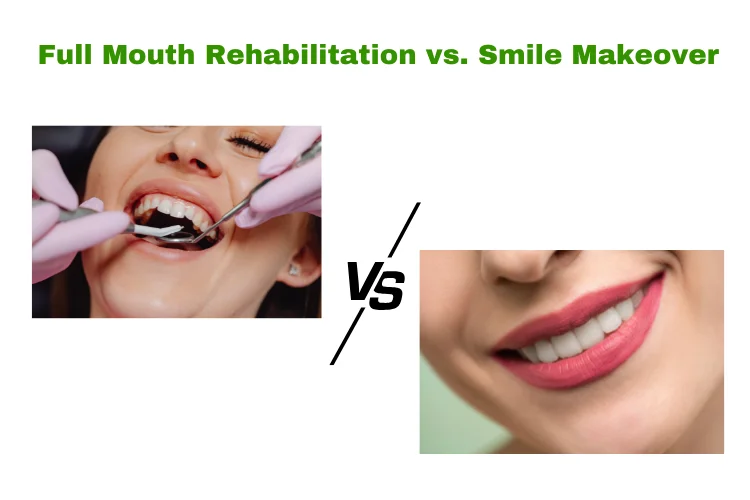
A smile makeover generally focuses on improving how your teeth look. Smile rehabilitation takes a broader approach when your teeth, gums, bite or chewing ability need attention. Depending on your dental condition, treatment may involve cosmetic procedures, restorative dentistry or a combination of both.
If you are searching for a smile makeover in Pune or considering full mouth rehabilitation in Hadapsar, understanding this difference can help you prepare for your dental consultation.
At Dr. Swapna’s Advanced Dental Clinic, patients can explore personalised cosmetic and restorative dental treatment options based on their oral health, concerns and smile goals.
What Is a Smile Makeover?
A smile makeover is a customised dental treatment plan designed primarily to improve the appearance of your smile. It may address tooth colour, shape, size, minor gaps, uneven edges and other aesthetic concerns.
The aim is to create a smile that looks natural and suits your facial features rather than making every tooth look identical.
For example, imagine someone whose teeth are healthy but have become stained over the years. Another person may have a small chip in a front tooth or notice that a few teeth look uneven when smiling. Depending on the examination, these concerns may be addressed through cosmetic dentistry without requiring extensive restorative treatment.
Common treatments included in a smile makeover
The exact procedures depend on the condition of your teeth and the result you want to achieve.
1. Professional teeth whitening
Professional teeth whitening may help reduce certain types of tooth discolouration and improve the overall brightness of your smile. Your dentist will first assess whether whitening is appropriate and identify any underlying cause of the staining.
Whitening does not change the colour of existing crowns, veneers or fillings in the same way it changes natural teeth.
2. Ceramic veneers
Ceramic veneers are thin restorations bonded to the front surfaces of selected teeth. They may be considered for concerns involving tooth shape, colour, minor gaps or uneven appearance.
Veneers require careful planning. Depending on the case, some enamel preparation may be necessary, so the amount of tooth structure that needs to be altered should be discussed before treatment.
3. Composite bonding
Composite bonding uses tooth-coloured restorative material to repair small chips, close selected gaps or improve the shape of individual teeth.
It can be a conservative option for suitable cases. However, bonding may stain, wear or chip over time and can require maintenance.
4. Smile design
Smile design involves planning the appearance of your smile by considering factors such as tooth proportions, gum visibility, facial features and how your teeth show when you speak or smile.
Digital smile simulations may help patients understand a proposed aesthetic outcome before treatment begins. A simulation is a planning aid, not a guarantee of the final result.
5. Minor tooth reshaping
In selected cases, a dentist may make small adjustments to uneven tooth edges. This is only appropriate when the tooth structure and bite allow it. Healthy enamel should not be removed unnecessarily.
Who may benefit from a smile makeover?
A smile makeover may be worth discussing if you have:
- Stained or discoloured teeth.
- Small chips or uneven tooth edges.
- Minor gaps between certain teeth.
- Teeth that appear disproportionate in size or shape.
- Cosmetic concerns about the front teeth.
- A desire for a more balanced, natural-looking smile.
The important point is that cosmetic treatment should be planned around healthy teeth and gums. If tooth decay, active gum disease or significant bite problems are present, those issues may need attention first.
What Is Smile Rehabilitation?
Smile rehabilitation is a broader approach to improving a person’s smile when dental concerns extend beyond appearance alone. Depending on the individual case, it may involve restoring damaged teeth, replacing missing teeth, improving chewing function and addressing problems with the bite.
The term can be used in different ways by dental practices. In this article, smile rehabilitation refers to a comprehensive treatment approach that may include restorative and cosmetic dentistry.
When several teeth are severely worn, broken, decayed or missing, simply improving their visible appearance may not be enough. The dentist needs to understand why the damage occurred and how the teeth, gums and bite work together.
For example, someone who has lost several teeth may find it difficult to chew comfortably. Another patient may have heavily worn teeth because of grinding or may have old restorations that repeatedly break. These situations often need a more detailed treatment plan than a cosmetic enhancement alone.
What can smile rehabilitation involve?
Depending on the diagnosis, treatment may include the following.
1. Restoring damaged teeth
Teeth affected by extensive decay, fractures or significant wear may need restorative treatment. Depending on how much healthy tooth structure remains, options can include bonded restorations, inlays, onlays or crowns.
The choice depends on the amount of damage, the tooth’s strength and the forces it experiences during chewing.
2. Replacing missing teeth
Missing teeth can affect chewing, speech and the distribution of biting forces. Suitable replacement options may include dental implants, bridges or removable dentures.
Not every patient is suitable for every option. Bone condition, gum health, medical history, budget and personal preferences all influence the decision.
3. Treating underlying dental problems
Before extensive restorative work begins, the dentist may need to address tooth decay, infected teeth, gum disease or other oral health concerns.
Root canal treatment may be recommended when the pulp inside a tooth is irreversibly damaged or infected. Gum treatment may be necessary to support long-term oral health.
4. Correcting bite-related concerns
When teeth have become severely worn, shifted or damaged, the way the upper and lower teeth meet may need careful assessment.
A rehabilitation plan may include restorative adjustments or other appropriate treatment to establish a stable, comfortable bite. Jaw discomfort and persistent pain require proper assessment rather than being assumed to result from bite problems alone.
5. Improving the final appearance
Once the health and functional concerns have been addressed, cosmetic treatments may help improve tooth colour, shape and overall smile balance.
This means smile rehabilitation can also include elements of a smile makeover. The difference lies mainly in the reason for treatment and the problems that need to be solved.
Who may need smile rehabilitation?
A more comprehensive dental assessment may be appropriate if you have:
- Several missing teeth.
- Multiple broken or heavily worn teeth.
- Extensive decay affecting several teeth.
- Old restorations that repeatedly fail.
- Difficulty chewing certain foods.
- Changes in the way your teeth meet.
- A combination of functional and cosmetic concerns.
These signs do not automatically mean that you need full mouth rehabilitation. A clinical examination is necessary to determine the extent of treatment required.
Smile Makeover vs Smile Rehabilitation: Key Differences
Although both approaches can improve a smile, their goals, treatment scope and planning requirements can differ.
| Factor | Smile Makeover | Smile Rehabilitation |
|---|---|---|
| Main purpose | Improve the appearance of the smile | Address oral health, tooth structure, function and appearance where needed |
| Primary concerns | Staining, minor chips, gaps and tooth shape | Missing, damaged, decayed or heavily worn teeth and bite concerns |
| Treatment scope | Often focuses on selected visible teeth | May involve multiple teeth, gums, bite and tooth replacement |
| Common procedures | Whitening, veneers, bonding and smile design | Restorations, crowns, bridges, implants, gum treatment and selected cosmetic procedures |
| Functional assessment | Important, especially when planning changes to tooth shape or position | A central part of comprehensive planning |
| Treatment duration | May require fewer visits, depending on procedures | May require multiple visits and treatment phases |
| Planning approach | Aesthetic goals balanced with dental health | Dental health and function assessed alongside aesthetic goals |
| Final objective | A natural-looking, balanced smile | A healthier, more functional and aesthetically pleasing smile when achievable |
In simple terms: a smile makeover primarily focuses on how your smile looks, while smile rehabilitation takes a wider view of the condition and function of your teeth and mouth.
These categories can overlap. The appropriate plan depends on the findings of your dental examination rather than the name given to a treatment Smile Makeover vs Smile Rehabilitation.
Is Full Mouth Rehabilitation the Same as Smile Rehabilitation?
Not necessarily.
Smile rehabilitation is a broad phrase that can describe improving the appearance and condition of a smile. Full mouth rehabilitation is generally used for a more comprehensive treatment plan involving extensive restoration of the teeth and, where necessary, the bite and supporting oral structures.
Full mouth rehabilitation may be considered when a person has several teeth that are damaged, missing or severely worn, or when multiple dental problems need to be managed together.
For example, a patient may require treatment for several weakened teeth, replacement of missing teeth and a plan to manage excessive wear. The dentist must consider how each restoration will work with the others rather than treating every tooth as an isolated problem.
Full mouth rehabilitation does not automatically mean that every tooth needs a crown or that dental implants are necessary. Treatment should be based on the condition of each tooth and the patient’s overall oral health.
Whenever possible, preserving healthy natural tooth structure should remain an important consideration.
Which Treatment Is Right for You?
The answer depends on what is causing your dental concerns.
You may be considering a smile makeover if your teeth are generally healthy and your main concerns involve colour, shape or minor cosmetic imperfections.
You may need a broader restorative assessment if several teeth are damaged, missing or worn down, or if chewing has become uncomfortable.
Some patients need a combination of both approaches.
Scenario 1: Your teeth are healthy but look stained
You brush regularly, have no major dental concerns and want a brighter smile.
After checking your teeth and gums, your dentist may recommend professional whitening or another suitable cosmetic option. Full mouth rehabilitation would not usually be the starting point for an isolated colour concern.
Scenario 2: One front tooth is chipped
A small chip can affect your confidence, especially when it is visible while speaking.
Depending on the size of the chip and the condition of the tooth, composite bonding or another conservative restoration may be appropriate. A full examination helps rule out deeper damage.
Scenario 3: Several teeth are missing
You may find it harder to chew comfortably or feel that your remaining teeth are taking more pressure.
In this situation, the dentist needs to assess the missing teeth, gum health, available bone and bite. Implants, bridges or dentures may be considered depending on suitability. Cosmetic treatment alone would not address the missing teeth.
Scenario 4: Your teeth have become short or worn down
Tooth wear can develop for several reasons, including grinding, acid erosion and other dental conditions.
The dentist needs to identify the likely cause, assess the remaining tooth structure and check how your teeth meet. Treatment may involve protective measures and restorative work. The right approach depends on the severity of the wear.
Scenario 5: You want both healthier teeth and a better-looking smile
You may have a combination of concerns, such as old fillings, discoloured teeth and uneven edges.
Your dentist may recommend treating any active dental problems first, followed by appropriate cosmetic improvements. In some cases, restorative and aesthetic treatment can be planned together.
The aim is to achieve a result that looks good while remaining suitable for your oral health.
How Does a Smile Design Consultation Work?
Whether you are considering a smile makeover or a more extensive rehabilitation plan, a consultation helps clarify your options.
At Dr. Swapna’s Advanced Dental Clinic in Hadapsar, Pune, the clinic’s published smile design process includes personalised consultation, diagnostic assessment, digital smile simulation and customised treatment planning.
A typical consultation may involve the following steps.
1. Discussing your concerns
The first step is to understand what you would like to change.
You may be concerned about stained teeth, gaps, uneven edges, damaged restorations or difficulty chewing. Sharing your priorities helps the dentist understand what matters most to you.
It is also useful to mention any sensitivity, pain, grinding habits or previous dental treatments.
2. Examining your teeth and gums
The dentist assesses the condition of your teeth, gums and existing restorations. The bite and surrounding oral structures may also need to be evaluated.
Dental X-rays or other diagnostic records may be recommended when clinically necessary.
This assessment helps determine whether your concerns are mainly cosmetic or whether underlying problems need treatment.
3. Exploring suitable treatment options
Once the findings are understood, the dentist can explain which procedures may be appropriate.
For example, a patient with a small chip may have different options from someone with a severely weakened tooth. Similarly, replacing a missing tooth involves different considerations from changing the colour of healthy teeth.
Where appropriate, conservative alternatives can be discussed alongside more extensive options.
4. Reviewing the proposed smile
Digital smile design may help illustrate potential changes in tooth shape, proportions and overall appearance.
This gives you an opportunity to discuss your preferences before treatment starts. It is important to remember that a digital preview is an estimate, and the final outcome depends on your dental condition and the treatment performed.
5. Understanding the treatment plan
Before proceeding, ask about the recommended procedures, the expected number of visits, possible risks, maintenance requirements and total estimated cost.
A clear plan should explain which treatments are necessary for oral health and which are optional aesthetic improvements.
You should have the opportunity to understand your options and make an informed decision without feeling rushed.
How Long Does Smile Makeover or Smile Rehabilitation Take?
There is no single timeline that applies to everyone.
A simple smile makeover involving one conservative restoration may be completed relatively quickly. Professional whitening may require one or more visits, depending on the method used and the response of your teeth.
Veneers may require several appointments for assessment, planning, preparation where necessary, fabrication and placement.
Smile rehabilitation involving multiple damaged or missing teeth can take considerably longer. Treatment may need to be completed in stages, especially when gum treatment, root canal treatment, implant placement or healing periods are involved.
Your dentist can provide a more realistic estimate after examining your teeth and preparing a treatment plan.
It is better to allow enough time for appropriate diagnosis and healing than to rush a complex procedure simply to achieve a faster cosmetic result.
What Factors Affect the Cost?
The cost of a smile makeover in Pune or full mouth rehabilitation depends on the treatment required rather than the treatment name alone.
Important factors include:
- The number of teeth that need treatment.
- Whether whitening, bonding, veneers or crowns are required.
- The condition of existing fillings and restorations.
- Whether missing teeth need to be replaced.
- The need for gum treatment or root canal treatment.
- The type of restoration or tooth replacement selected.
- Diagnostic investigations and follow-up visits.
- The complexity of the bite and restorative planning.
A straightforward cosmetic treatment may involve fewer procedures than comprehensive rehabilitation. However, the exact cost difference varies from patient to patient.
Ask your dentist for an itemised estimate that explains the recommended procedures, available alternatives and any likely additional costs.
Avoid choosing a treatment based on price alone. The suitability of the procedure, the preservation of healthy teeth and the long-term maintenance plan also matter.
Can a Smile Makeover Damage Your Natural Teeth?
A well-planned smile makeover should take your existing tooth structure and oral health into account. However, some cosmetic procedures involve permanent changes, so it is important to understand what each option requires.
Professional whitening generally changes the colour of natural teeth without requiring tooth preparation, although temporary sensitivity can occur.
Composite bonding can often be performed with little or no removal of healthy tooth structure, depending on the case.
Veneers may require some enamel preparation, and this can be irreversible. The amount required varies according to tooth position, the material and the desired result.
That is why conservative planning matters. Cosmetic treatment should not involve removing healthy tooth structure unnecessarily to achieve an artificial or uniform appearance.
Ask your dentist which options preserve the most natural tooth structure and what maintenance each option may require.
How Can You Maintain Your Results?
Whether you choose a smile makeover or comprehensive dental rehabilitation, long-term care is important.
Brush twice daily. Use a soft-bristled toothbrush and fluoride toothpaste. Clean carefully along the gumline.
Clean between your teeth. Dental floss or suitable interdental cleaning tools help remove plaque from areas a toothbrush may miss.
Attend regular dental check-ups. Your dentist can monitor your gums, natural teeth and restorations and identify potential problems early.
Avoid using your teeth as tools. Do not use them to open packaging or bite hard objects.
Discuss teeth grinding. If you grind or clench your teeth, ask whether a protective night guard is appropriate for you.
Follow restoration-specific advice. Veneers, crowns, implants and bonded restorations each have particular care requirements. Your dentist can explain the best way to maintain them.
Address discomfort early. Persistent sensitivity, a loose restoration, gum swelling or pain while chewing should be assessed rather than ignored.
Good oral hygiene and regular professional care can help protect your natural teeth and restorations, although no dental procedure can guarantee a lifetime result.
Why Consider Dr. Swapna’s Advanced Dental Clinic in Hadapsar, Pune?
Choosing a dentist for cosmetic or restorative treatment involves more than looking at before-and-after photographs. You should feel comfortable discussing your concerns and understand why a particular procedure has been recommended.
Dr. Swapna Khandale is identified on the clinic website as a cosmetic dentist with a focus on smile design, biomimetic dentistry and minimally invasive restorative care.
The clinic describes its approach as prioritising natural-looking results while preserving healthy tooth structure wherever possible. Its published services include ceramic veneers, smile design, teeth whitening, bonded restorations and general dental care.
For patients comparing smile makeover and smile rehabilitation options in Pune, a consultation can help establish whether the main concern is aesthetic, functional or a combination of both.
The appropriate treatment should be selected after an examination, with attention to your oral health, expectations, available options and long-term care.
Dr. Swapna’s Advanced Dental Clinic is located at D.P. Road, Gadital, Hadapsar, Pune, Maharashtra. If you are considering a smile makeover or need advice about damaged, worn or missing teeth, you can contact the clinic to discuss your concerns and explore suitable cosmetic and restorative dental treatments.
For more information, visit https://drswapnasdental.in/, call +91 87679 75948, or find the clinic on Google Maps.
If you are considering a smile makeover or need advice about damaged, worn or missing teeth, arrange a consultation to discuss your concerns and understand the available treatment options.
Final Thoughts
A beautiful smile should also be a healthy, comfortable smile. While a smile makeover may be suitable for improving colour, shape or minor imperfections, smile rehabilitation may be needed when several teeth or functional concerns require attention.
The right choice depends on the condition of your teeth, your goals and the findings of a dental examination. In some cases, a conservative cosmetic procedure is enough. In others, restoring dental health and function must come first.
If you are exploring smile makeover or smile rehabilitation in Hadapsar, Pune, start with a consultation and ask about the treatment options that best suit your needs.
Book a consultation with Dr. Swapna’s Advanced Dental Clinic to discuss your smile goals and understand your options for cosmetic and restorative dental care.
FAQs
1. What is the difference between a smile makeover and smile rehabilitation?
A smile makeover mainly focuses on improving the appearance of teeth through procedures such as whitening, veneers or bonding. Smile rehabilitation takes a broader approach when dental health, damaged teeth, missing teeth or bite function also need attention. The two approaches can overlap.
2. Is smile rehabilitation the same as full mouth rehabilitation?
Not always. Smile rehabilitation is a broad term for improving the condition and appearance of a smile. Full mouth rehabilitation generally refers to a more extensive plan to restore multiple teeth and address functional concerns. Your dentist can explain which description best fits your case.
3. Who is a suitable candidate for a smile makeover?
People who want to improve tooth colour, shape, minor chips or selected gaps may be candidates. Healthy gums and a suitable tooth structure are important. Active dental problems may need treatment before cosmetic procedures begin.
4. Who may need full mouth rehabilitation?
Patients with multiple missing, severely worn, broken or extensively damaged teeth may need a comprehensive assessment. The dentist will evaluate the teeth, gums, bite and other relevant factors before recommending treatment.
5. Can smile rehabilitation also improve the appearance of teeth?
Yes. Depending on the treatment plan, rehabilitation may restore tooth shape, replace missing teeth and improve the overall appearance of the smile alongside function. Cosmetic procedures may also be included when appropriate.
6. Is a smile makeover permanent?
Not necessarily. The longevity of the result depends on the procedures used, oral hygiene, bite forces, diet and other individual factors. Whitening may need repeating, while bonding, veneers and other restorations may need maintenance or replacement over time.
7. How much does a smile makeover cost in Pune?
The cost depends on the number of teeth involved, the procedures recommended, the materials used and the complexity of your case. A dental consultation is the best way to obtain an individual treatment plan and cost estimate.
8. How long does full mouth rehabilitation take?
It depends on the number of teeth involved and whether treatment requires implants, gum care, root canal treatment or healing periods. Some plans can be completed in stages over several months or longer. Your dentist can estimate the timeline after assessment.
9. Is digital smile design necessary before a smile makeover?
Digital smile design is not essential in every case, but it can help illustrate proposed aesthetic changes and support communication between the patient and dentist. It does not replace a clinical examination or guarantee the final result.
10. Where can I consult a dentist for smile design in Hadapsar, Pune?
You can contact Dr. Swapna’s Advanced Dental Clinic in Gadital, Hadapsar, Pune, to ask about cosmetic dentistry and smile design consultations. Visit https://drswapnasdental.in/ or use the clinic’s Google Maps location for directions