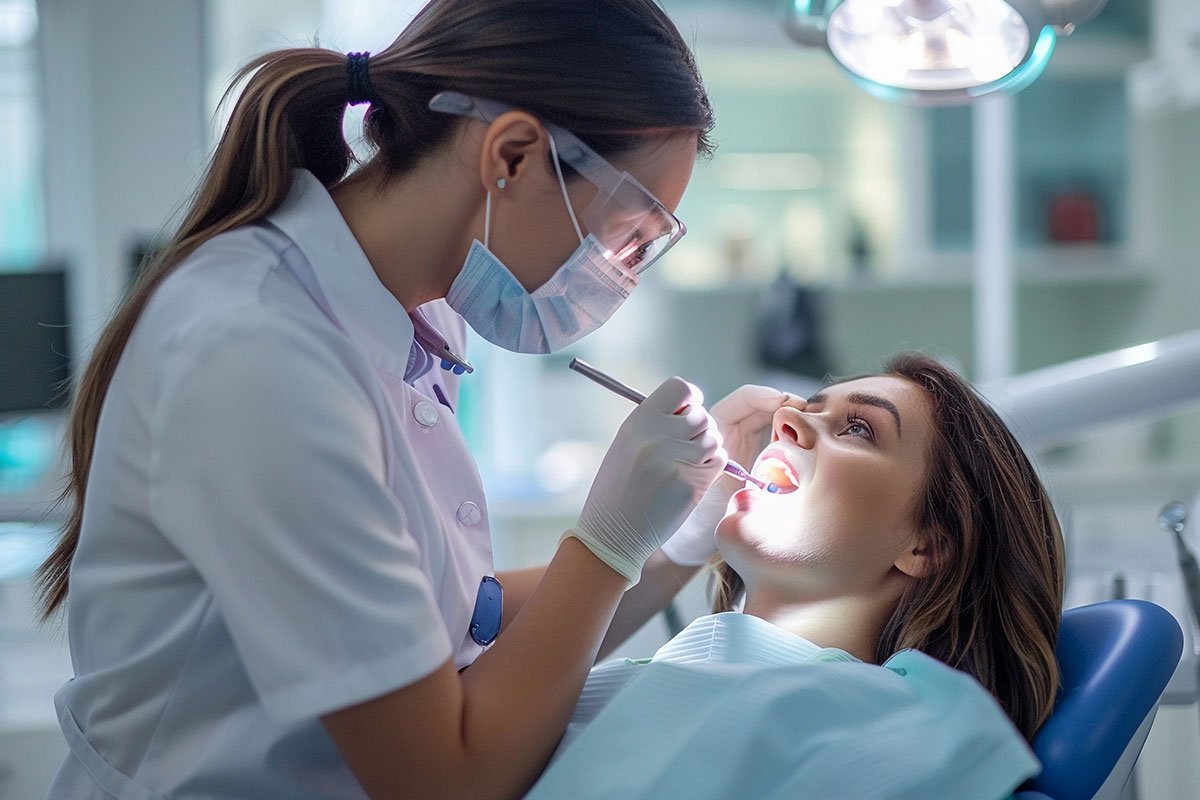
Root canal treatment is a specialized dental procedure designed to save a tooth that has been severely damaged or infected from within. When the soft inner tissue of the tooth (called the pulp) becomes inflamed due to deep decay, cracks, trauma, or repeated dental procedures, it can cause intense pain, sensitivity, and swelling. Root canal treatment removes this infection, cleans the tooth thoroughly, and seals it to prevent future problems.
During the procedure, the infected pulp is carefully removed, and the inner canals are cleaned, disinfected, and shaped. The tooth is then filled and sealed to restore strength and function. In most cases, a dental crown is placed over the treated tooth to provide long-term protection and durability.
Root canal treatment helps preserve your natural tooth structure while eliminating pain and infection. With modern techniques and advanced anesthesia, the procedure is comfortable, efficient, and highly successful, allowing you to chew, smile, and speak confidently without discomfort.
Root canal treatment offers both functional and long-term oral health benefits by saving natural teeth that would otherwise require extraction. It effectively relieves tooth pain, stops infection from spreading, and restores normal biting and chewing function.
By preserving the natural tooth, root canal treatment helps maintain proper alignment of surrounding teeth and prevents jawbone deterioration. Once treated and protected with a crown, the tooth can last for many years with proper care, making it a reliable and cost-effective solution for severe dental infections.
Root canal treatment is a dental procedure that removes infected or damaged pulp from inside the tooth to relieve pain and save the natural tooth.
With modern anesthesia and techniques, root canal treatment is usually painless and similar to getting a routine filling.
With proper care and a protective crown, a root canal-treated tooth can last many years or even a lifetime.
You may need a root canal if you experience severe tooth pain, prolonged sensitivity, swelling, or infection caused by deep decay or injury.
Maintain good oral hygiene, avoid chewing hard foods on the treated tooth until crowned, and visit your dentist regularly for check-ups.
Copyright © 2025 All Rights Reserved.
WhatsApp us