Learn how Preventive Dentistry, daily oral care and professional checkups can help prevent cavities and gum problems before they start.
Table of Contents
What Is Preventive Dentistry?
Preventive dentistry is essentially about taking care of your teeth and gums before a small problem becomes a painful or expensive one. Instead of waiting for a cavity to hurt, gums to bleed, or a tooth to become sensitive, preventive dental care focuses on reducing the factors that cause these problems in the first place. It combines everyday habits such as brushing, cleaning between teeth, maintaining a balanced diet and limiting frequent sugar exposure with professional dental examinations and preventive treatments when appropriate. The American Dental Association recommends brushing twice daily with fluoride toothpaste, cleaning between teeth daily, maintaining a healthy diet and seeing a dentist regularly for prevention and treatment of oral disease.
Think of preventive dentistry like servicing a vehicle. You do not wait for the engine to fail before checking the oil, brakes or tyres. Your mouth deserves the same approach. Cavities and gum disease often develop gradually, and early changes may not cause obvious pain. A dental professional can identify risk factors, examine areas that are difficult to see at home and suggest habits or treatments based on your individual needs. For people looking for long-term oral health rather than occasional emergency treatment, prevention can make dental care more predictable and manageable. You can learn more about dental services through Dr. Swapna’s Dental Clinic.
Prevention Starts Before Pain
One of the biggest misconceptions about dental health is that a tooth must hurt before something is wrong. In reality, many dental conditions can progress quietly. A cavity may begin as mineral loss in enamel, while gum disease can start with plaque accumulation and inflammation around the gumline. By the time discomfort, swelling or significant sensitivity appears, the problem may already require more extensive treatment. This is why preventive care matters: it shifts attention from simply treating symptoms to understanding why a dental problem may be developing.
Regular prevention also gives you an opportunity to make small corrections before they become major changes. Perhaps you are brushing regularly but missing the areas between your teeth. Maybe you frequently sip sweetened beverages throughout the day without realizing how often your teeth are exposed to sugar and acids. Or perhaps your gums bleed because plaque has accumulated along the gumline. These are the kinds of everyday patterns that can be discussed during a preventive dental visit. The goal is not to make oral care complicated. It is to identify the few habits that can make the biggest difference for your particular mouth and make them easier to maintain consistently.
Why Cavities and Gum Problems Develop
Cavities and gum problems have different clinical features, but they share an important starting point: plaque and bacteria can accumulate when oral hygiene is inadequate. Plaque is a sticky film that continuously develops on teeth. If it is not removed effectively, it can contribute to tooth decay and gum inflammation. When plaque remains around the gumline, it can contribute to gingivitis, while plaque that hardens into tartar cannot simply be brushed away at home and generally requires professional cleaning.
Diet also plays a major role in cavity risk. It is not only the amount of sugar you consume that matters, but also how frequently your teeth are exposed to it. Repeated sugary snacks or drinks throughout the day can create frequent opportunities for acid-producing bacteria to affect tooth enamel. The ADA’s caries-prevention guidance recommends limiting sugary snacks between meals and reducing the amount and frequency of carbohydrate consumption, particularly for people at increased risk of cavities.
The Role of Plaque, Sugar and Bacteria
Imagine plaque as a thin layer that gradually builds up on a surface when it is not cleaned properly. Your teeth are no different. When bacteria in plaque interact with fermentable carbohydrates, acids can be produced that contribute to enamel demineralization. If this process happens repeatedly and the tooth does not have enough opportunity to recover, a cavity can eventually develop. At the same time, plaque near the gums can trigger inflammation, leading to redness, swelling and bleeding.
The good news is that many of these contributing factors can be managed. Brushing with fluoride toothpaste helps remove plaque while providing fluoride protection to enamel. Cleaning between teeth targets areas toothbrush bristles cannot effectively reach. Reducing frequent sugary exposures gives your teeth fewer repeated acid challenges. Professional examinations then provide another layer of protection by identifying areas where your current routine may not be enough.
Daily Brushing as the First Line of Defense
Brushing your teeth twice a day may sound almost too basic to mention, but technique and consistency matter more than many people realize. The ADA recommends brushing twice daily with fluoride toothpaste for two minutes. Both manual and powered toothbrushes can be effective when used properly, and powered toothbrushes may be useful for people who have difficulty achieving adequate plaque removal with a manual brush.
A good brushing routine should reach the outer, inner and chewing surfaces of the teeth while also paying attention to the gumline. Aggressive brushing is not automatically better. Pressing excessively hard can irritate the gums and may contribute to tooth surface wear over time. A softer, controlled technique with consistent coverage is usually more useful than brushing forcefully for a short period. Your dentist can also demonstrate a technique suited to your teeth, gums, orthodontic appliances or other individual needs.
Why Fluoride Toothpaste Matters
Fluoride is one of the most established tools for cavity prevention. It helps strengthen enamel and supports remineralization of weakened tooth surfaces, making teeth more resistant to decay. The ADA recognizes fluoride as safe and effective for preventing tooth decay when used appropriately.
For most people, twice-daily brushing with fluoride toothpaste forms an important foundation of preventive oral care. Children need age-appropriate toothpaste quantities and supervision to reduce the risk of swallowing excessive toothpaste. Adults with elevated cavity risk may sometimes benefit from additional fluoride measures recommended by a dental professional. The important point is that fluoride should be viewed as one part of a broader preventive strategy, not a substitute for brushing, cleaning between teeth, dietary awareness or dental checkups.
Cleaning Between Your Teeth
A toothbrush cannot effectively reach every surface between closely positioned teeth. That is why interdental cleaning is such an important part of prevention. Dental floss, interdental brushes and other interdental cleaners can help remove plaque and food debris from spaces that toothbrush bristles may miss. According to the ADA, cleaning between teeth can help reduce the likelihood of tooth decay and gum disease.
The best interdental tool is not necessarily the same for everyone. Someone with very tight spaces may prefer dental floss or tape, while another person with larger spaces may benefit from an interdental brush. People with certain dental conditions, bridges, implants or orthodontic appliances may need more specific techniques. Water flossers can also be an option for some individuals. Rather than treating flossing as a one-size-fits-all rule, a preventive dental appointment can help determine which method is practical and effective for your mouth.
Food and Drink Choices That Protect Your Teeth
Your daily diet affects your teeth in ways that can be easy to overlook. Sugary drinks, sweets, biscuits, sticky snacks and frequent grazing can increase exposure to factors associated with tooth decay. That does not mean you must eliminate every food you enjoy. Preventive dentistry is about creating realistic habits that reduce risk while allowing you to maintain a balanced lifestyle.
One useful principle is to think about frequency rather than perfection. Constantly sipping a sweetened drink over several hours can create repeated exposure, while consuming it occasionally with a meal may present a different pattern. Drinking water, choosing nutritious meals and limiting frequent sugary snacks can support a healthier oral environment. The ADA specifically recommends a healthy diet that limits sugary beverages and snacks as part of home oral care.
Managing Sugar Frequency
Imagine your enamel as a wall that experiences repeated weather exposure. One brief exposure is different from being exposed continuously throughout the day. Similarly, frequent sugar and carbohydrate exposure gives oral bacteria repeated opportunities to produce acids that affect enamel. For people who already have a high risk of cavities, modifying the frequency of sugary foods and drinks can be particularly important. (ADA)
Small changes can therefore have practical value. Choose water more often, reduce unnecessary snacking between meals and avoid making sweetened drinks an all-day habit. If you enjoy dessert, eating it as part of a meal rather than repeatedly grazing may be a more manageable approach. Preventive dentistry is not about creating fear around food. It is about understanding how everyday patterns influence your teeth and making informed choices.
How Professional Dental Checkups Support Prevention
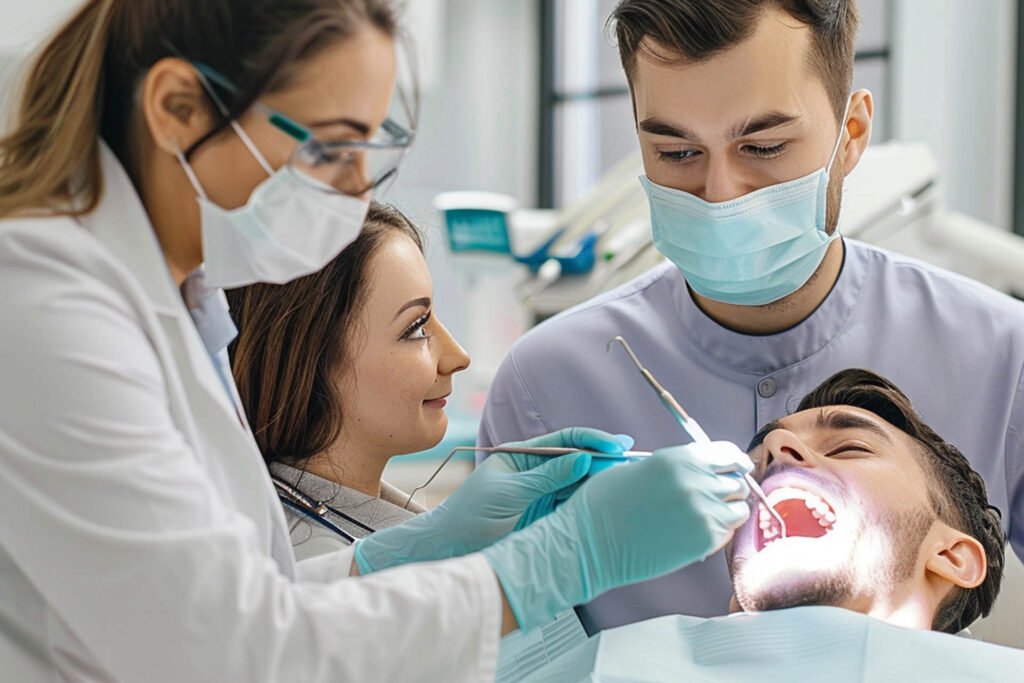
Home care is essential, but it cannot replace professional dental evaluation. A dentist can examine areas that are difficult to see yourself, assess gum health, identify signs of tooth decay and evaluate factors that may increase your future risk. Preventive appointments can also provide an opportunity to discuss brushing technique, interdental cleaning, diet, sensitivity and other concerns before they become more complicated.
A checkup is not simply a search for cavities. A comprehensive preventive approach considers the condition of the teeth, gums and surrounding oral structures. Your dentist may also consider previous dental history, oral hygiene habits, dietary patterns and other individual factors when recommending care. The ADA emphasizes that oral-care recommendations can be personalized for people with increased risk of caries or gum disease.
Professional Cleaning and Plaque Control
Even people who brush and floss consistently can develop areas of plaque accumulation, particularly around crowded teeth, the gumline and other difficult-to-clean locations. Over time, plaque can harden into tartar. Unlike soft plaque, tartar cannot simply be removed through ordinary brushing at home. Professional dental cleaning can help remove these deposits and support healthier gums.
Professional cleaning should not be viewed as a replacement for daily oral hygiene. Instead, it works alongside your home routine. Think of it as resetting areas that are difficult to keep completely clean and giving you a better starting point for continued maintenance. If your dentist notices that plaque is repeatedly building up in a particular area, they can show you how to modify your brushing or interdental cleaning technique.
Fluoride Treatments and Cavity Prevention
Some people have a higher risk of tooth decay than others. Previous cavities, dry mouth, dietary habits, exposed tooth roots and other factors can increase risk. In such cases, a dentist may recommend additional preventive measures, including professionally applied fluoride or other fluoride products, depending on the patient’s age and risk profile. The ADA includes topical fluoride among preventive measures used for people at elevated caries risk.
Professional fluoride treatment is not automatically necessary for every patient. That is why a personalized assessment is important. A dentist can determine whether your current fluoride exposure is adequate or whether additional protection could be useful. The objective is simple: strengthen vulnerable tooth surfaces and reduce the chance that early mineral loss progresses into a cavity.
Dental Sealants for Added Protection
The grooves and pits on back teeth can sometimes be challenging to clean thoroughly because food and plaque can collect in these narrow areas. Dental sealants are preventive materials that can be applied to selected tooth surfaces to create a protective barrier over susceptible grooves. They are particularly relevant in pediatric and adolescent preventive care, although suitability depends on the individual tooth and patient’s risk.
The ADA’s 2026 preventive-services specifications recognize topical fluoride and sealants as preventive services for children and reference evidence-based recommendations for sealants on pits and fissures of primary and permanent teeth. This does not mean every child automatically needs sealants. Instead, the decision should be based on factors such as tooth anatomy, cavity risk, age and professional assessment.
Preventive Dentistry for Children
Preventive dental care should begin early, ideally as soon as a child’s teeth start appearing. Children are still developing their brushing skills, and parents or caregivers play an important role in establishing consistent habits. According to ADA guidance, children younger than three should use no more than a smear or grain-of-rice amount of fluoride toothpaste, while children aged three to six should use no more than a pea-sized amount, with brushing supervised. (ADA)
Early dental visits can also help children become comfortable with the dental environment. Instead of associating dentists only with pain or treatment, children can learn that dental visits are part of ordinary health maintenance. Parents can reinforce this by avoiding frightening language and demonstrating good oral-care habits at home. Preventive appointments can also identify developing problems, assess eruption patterns and provide individualized guidance about brushing, diet and cavity prevention.
Preventive Dental Care for Adults
Adults sometimes become less consistent with preventive dentistry because work, family responsibilities and busy schedules take priority. Yet adult teeth face their own set of challenges. Gum problems, cavities around existing restorations, tooth sensitivity, enamel wear and root-surface decay can become relevant over time. Certain lifestyle factors and medications can also contribute to dry mouth, which may affect cavity risk.
Preventive care for adults should therefore go beyond simply asking, “Do you have cavities?” Your dentist can look at the overall condition of your teeth and gums and help identify patterns that could become problematic later. If you have dental restorations, crowns, bridges, implants or orthodontic appliances, your cleaning technique may need to be adapted. A personalized plan is often more useful than following generic advice that does not account for your specific oral-health needs.
Recognizing Early Signs of Dental Problems
Prevention becomes much more effective when you pay attention to changes in your mouth. Bleeding gums, persistent bad breath, tooth sensitivity, pain when eating, visible spots on teeth, swelling or changes around an existing dental restoration should not simply be ignored. Some symptoms may have relatively simple explanations, but others can indicate developing dental disease that needs professional assessment.
The important distinction is between monitoring a symptom and diagnosing yourself. Searching online can give you possibilities, but it cannot replace an examination. A dentist can evaluate the affected area and determine whether the problem is related to decay, gum inflammation, enamel wear, infection or another cause. Seeking advice early can sometimes mean a simpler intervention compared with waiting until symptoms become severe.
How Often Should You Visit a Dentist?
There is no universal dental-visit schedule that fits every person. Some individuals may need more frequent monitoring because of a history of cavities, gum disease or other risk factors, while others may require less frequent preventive appointments based on their oral-health status. The right interval should therefore be determined with your dentist rather than following an arbitrary calendar rule.
Regular appointments are useful because risk can change over time. A person who previously had excellent oral health may develop new risk factors because of dietary changes, medication, dry mouth, orthodontic treatment or other circumstances. Conversely, someone with a history of dental problems may reduce their risk through improved habits and professional guidance. Preventive dentistry works best when the plan evolves with you.
Building a Personalized Preventive Dental Plan
One of the strongest advantages of preventive dentistry is personalization. Your teeth are not identical to someone else’s, your diet is different, your brushing technique may be different and your cavity or gum-disease risk may change throughout life. The ADA’s home-care recommendations specifically distinguish between general recommendations and personalized recommendations for people at increased risk.
A preventive plan may include a combination of daily fluoride toothpaste, interdental cleaning, dietary adjustments, professional cleaning, fluoride treatment, sealants or other measures when clinically appropriate. The key is not to collect as many dental products as possible. It is to identify what your mouth actually needs and create a routine you can maintain. Good prevention is usually less about doing everything and more about doing the right things consistently.
Preventive Dentistry in Pune
For people searching for preventive dentistry in Pune, choosing a dental clinic that emphasizes examination, education and individualized care can make routine dental visits more useful. Patients in areas such as Hadapsar and surrounding Pune localities may look for convenient dental care that addresses both immediate concerns and long-term oral health. A preventive appointment can be a practical starting point if you have not had a dental checkup recently or if you want professional guidance on your existing routine.
Rather than waiting for a cavity or gum problem to become uncomfortable, consider scheduling an examination and discussing your current oral-care habits. A professional can assess your teeth and gums and explain which preventive measures are appropriate for you. Whether you need guidance on brushing, cleaning between teeth, professional cleaning, fluoride protection or cavity-risk management, the goal is to build a sustainable plan that fits your everyday life.
Common Preventive Dentistry Mistakes
Even people who care about oral health can make small mistakes that reduce the effectiveness of their routine. One common mistake is brushing quickly without reaching all tooth surfaces. Another is cleaning only the visible front teeth while ignoring the areas between teeth and along the gumline. Some people also use excessive force when brushing because they assume harder brushing means cleaner teeth.
Another mistake is waiting for symptoms before seeing a dentist. Pain is not a reliable early-warning system for every dental problem. People may also assume that mouthwash alone can replace brushing and interdental cleaning, or that flossing once before a dental appointment makes up for months of neglect. Preventive dentistry works differently: consistent daily care plus appropriate professional monitoring provides the foundation for long-term oral health. The ADA specifically recommends brushing twice daily and cleaning between teeth daily rather than relying on occasional intensive cleaning.
A Simple Daily Routine for Better Oral Health
A preventive routine does not need to take over your day. In the morning, brush your teeth thoroughly for about two minutes using fluoride toothpaste. During the day, pay attention to how frequently you consume sugary drinks and snacks, and choose water more often. At least once each day, clean between your teeth using floss or another interdental cleaner suited to your mouth. In the evening, brush again before bed and make nighttime brushing a habit you rarely skip.
Then add the professional layer: schedule dental examinations at intervals recommended for your individual needs. If professional cleaning, fluoride treatment, sealants or another preventive service is appropriate, your dentist can explain why and how it fits into your plan. The ADA’s current home-care guidance combines daily brushing, interdental cleaning, dietary considerations and regular professional dental care as key components of prevention.
The biggest lesson is that preventive dentistry is not one appointment or one product. It is a system of small decisions repeated over time. Brush well. Clean between your teeth. Watch frequent sugar exposure. Pay attention to changes in your mouth. Keep professional appointments. When these habits work together, you give your teeth and gums a much better chance of staying healthy before problems have an opportunity to become serious.
Conclusion
Preventive dentistry can help reduce the risk of cavities and gum problems before they become major dental concerns. The foundation starts at home with twice-daily brushing using fluoride toothpaste, daily interdental cleaning and sensible dietary habits. Professional dental examinations and cleanings add another layer of protection by helping identify plaque accumulation, early changes, individual risk factors and areas that may need additional attention. For people at higher risk of cavities, treatments such as professional fluoride or dental sealants may also be considered when clinically appropriate.
The most important idea is simple: do not wait for pain to become your reason to visit the dentist. Oral health is easier to manage when prevention becomes part of your normal routine rather than an emergency response. If you are due for a dental examination or want personalized guidance on preventing cavities and gum problems, you can explore the services available at Dr. Swapna’s Dental Clinic.
FAQs
1. Can preventive dentistry really help prevent cavities?
Yes. Preventive dentistry focuses on reducing the factors that contribute to tooth decay, including plaque accumulation, frequent sugar exposure and inadequate fluoride protection. Brushing twice daily with fluoride toothpaste, cleaning between teeth and maintaining appropriate professional dental care can all contribute to cavity prevention. The ADA recognizes fluoride as an effective tool for preventing tooth decay and recommends fluoride toothpaste as part of routine oral hygiene.
2. How often should I brush my teeth to help prevent cavities and gum problems?
For most people, brushing twice a day with fluoride toothpaste for about two minutes is recommended. Technique matters as well, so make sure you clean the outer, inner and chewing surfaces of your teeth and pay attention to the gumline. A dentist can demonstrate a brushing technique if you are unsure whether you are cleaning effectively.
3. Is flossing necessary if I brush my teeth every day?
Brushing and interdental cleaning serve different purposes. Toothbrush bristles cannot effectively clean every area between teeth, where plaque and food debris can accumulate. The ADA recommends cleaning between teeth daily using floss or another suitable interdental cleaner.
4. Can professional dental cleaning prevent gum disease?
Professional cleaning can help remove hardened tartar and accumulated deposits that cannot be completely removed through ordinary brushing at home. This can support better plaque control and gum health. However, professional cleaning works best alongside consistent daily brushing and interdental cleaning rather than replacing them.
5. When should I visit a dentist for preventive care?
The appropriate frequency depends on your individual oral-health condition and risk factors. People with previous cavities, gum disease or other risk factors may need closer monitoring, while others may have different intervals. If you have not had a dental examination recently, booking a preventive assessment is a practical way to understand your current oral health and create an appropriate care .