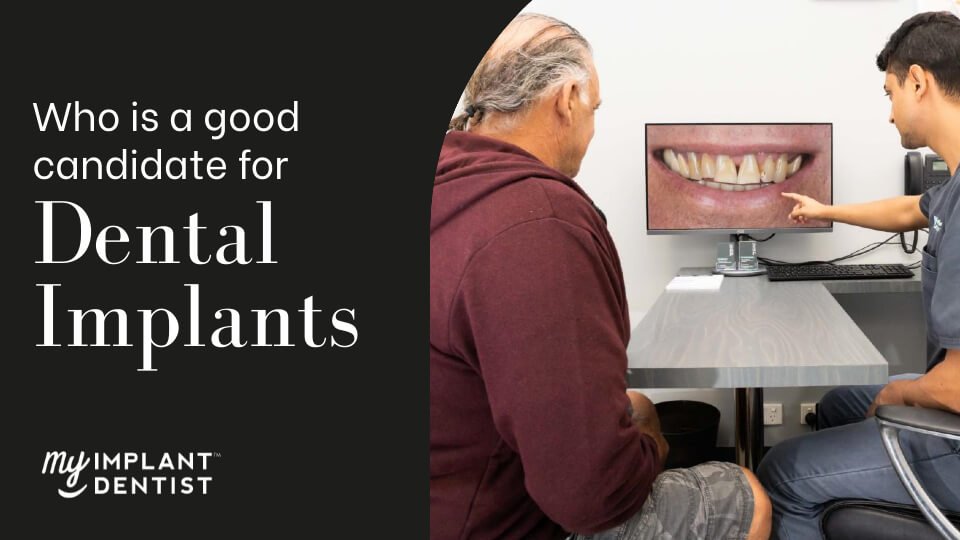
Wondering if Dental Implants are right for you? Learn about dental implant eligibility, bone health, gum health, missing teeth, and implant consultation.
Losing a tooth can affect much more than the appearance of your smile. It can make chewing difficult, affect how your teeth meet, and sometimes make you feel uncomfortable while speaking or smiling. Dental implants are one option for replacing missing teeth, but they are not suitable for every person in exactly the same way.
Table of Contents
So, who is a good candidate for dental implants?
People with one or more missing teeth may be considered for dental implants when they have suitable jawbone support, healthy or treatable gums, good oral hygiene, and an overall dental condition that allows the treatment to be planned safely. However, only a dental examination can determine whether implants are appropriate for an individual patient.
If you are considering dental implants in Hadapsar, understanding the factors that dentists look at can help you prepare for your consultation.
What Are Dental Implants?
A dental implant is an artificial tooth root that is placed into the jawbone to support a replacement tooth. Depending on the patient’s needs, an implant may support a crown, bridge, or denture.
The implant is placed below the gum and is designed to provide support for the replacement tooth. Unlike removable dentures, an implant-supported restoration is fixed in place.
However, dental implant treatment involves careful planning. The dentist needs to assess the gums, jawbone, surrounding teeth, bite, and overall oral condition before recommending treatment.
Who May Be a Good Candidate for Dental Implants?
1. People With One or More Missing Teeth
A missing tooth is one of the main reasons people consider implant treatment.
Dental implants may be used to replace:
- A single missing tooth
- Several missing teeth
- Multiple teeth in different areas
- Teeth that cannot be restored and need to be removed
For a single missing tooth, an implant may support an individual crown. When multiple teeth are missing, implants may be used to support a bridge or another type of restoration.
The appropriate treatment depends on the number and location of missing teeth and the condition of the surrounding teeth and tissues.
2. People With Healthy or Treatable Gums
Gum health is an important part of dental implant eligibility.
Before implant placement, your dentist will check for gum inflammation, infection, or periodontal disease. If there is active gum disease, it may need to be treated before implant treatment is considered.
This is because the tissues surrounding an implant need to remain healthy for long-term maintenance.
Having a previous history of gum problems does not automatically mean that implants cannot be considered. Your dentist can assess the current condition of your gums and recommend appropriate treatment.
3. People With Adequate Jawbone Support
Dental implants are placed into the jawbone, so adequate bone support is an important consideration.
When a tooth has been missing for a long time, the bone around the empty space can gradually reduce. This may affect the available support for an implant.
If there is insufficient bone, additional procedures may sometimes be considered. Your dentist may recommend appropriate dental imaging to assess the bone and determine whether an implant can be planned.
Therefore, bone health is an important part of an implant consultation.
4. People Who Can Maintain Good Oral Hygiene
Dental implants still require regular care.
Brushing twice a day, cleaning between your teeth, attending dental check-ups, and following your dentist’s maintenance instructions can help keep the tissues around the implant healthy.
Good oral hygiene is particularly important because problems around an implant can affect the surrounding tissues.
Patients should understand that an implant is not maintenance-free. It requires the same commitment to oral care as the rest of your teeth.
5. People With Realistic Expectations
Dental implants can provide a stable option for replacing missing teeth, but treatment usually takes several stages.
Depending on the patient’s condition, the process may involve:
- Dental examination
- Dental imaging
- Treatment planning
- Implant placement
- Healing
- Placement of the final restoration
- Follow-up and maintenance
The exact timeline varies from person to person.
Understanding the treatment process and following professional advice are important parts of successful implant care.
Does Age Matter for Dental Implants?
Age alone does not determine whether someone can receive dental implants.
Instead, the dentist considers factors such as:
- Jaw development
- Gum health
- Bone condition
- Oral hygiene
- Dental history
- Overall health
- Ability to maintain the implant
For younger patients whose jaw development is not complete, implant treatment may need to be delayed. Older adults may still be considered for implants when their oral and general health are appropriate for treatment.
This is why dental implant eligibility should always be evaluated on an individual basis.
Can You Get Dental Implants If You Have Bone Loss?
Bone loss does not automatically rule out dental implants.
The dentist first needs to determine how much bone is available and where the bone loss has occurred. Dental X-rays or other imaging may be recommended as part of the assessment.
In some cases, additional procedures such as bone augmentation or grafting may be discussed before implant placement.
Whether this is appropriate depends on the individual patient’s condition. Your dentist can explain the available options after examining the area.
Can Smokers Get Dental Implants?
Smoking is an important factor to discuss before dental implant treatment.
Tobacco use can affect gum health and the body’s healing process. It may therefore influence the way the tissues respond to implant treatment.
If you smoke or use tobacco products, tell your dentist during your consultation. Your dentist can explain the potential impact and provide appropriate advice for your situation.
Who May Need Additional Dental Treatment Before Implants?
Some patients may require treatment or additional assessment before an implant can be planned.
This may include patients with:
- Active gum disease
- Untreated dental infections
- Significant bone loss
- Poor oral hygiene
- Certain health conditions or medications that may affect healing
- Heavy smoking or tobacco use
- Teeth that require treatment before implant placement
These factors do not automatically mean that dental implants are impossible.
Instead, they may mean that your dentist needs to address another dental problem first and then reassess your suitability for implant treatment.
What Happens During an Implant Consultation?
If you are looking for a dental implant specialist in Hadapsar, the consultation is an important first step.
Your dentist may evaluate:
- Missing teeth and their location
- Condition of surrounding teeth
- Gum health
- Jawbone support
- Bite and tooth alignment
- Oral hygiene
- Dental history
- Relevant medical history
- Your treatment expectations
Dental imaging may also be recommended to understand the bone and surrounding structures.
The purpose of the consultation is not simply to decide whether you want an implant. It is to determine which tooth-replacement option may be appropriate for your individual situation.
What Are the Alternatives to Dental Implants?
Dental implants are not the only way to replace missing teeth.
Depending on your condition, your dentist may discuss options such as:
- Fixed dental bridges
- Removable partial dentures
- Complete dentures
- Implant-supported restorations
Each option has different advantages, limitations, maintenance requirements, and suitability.
Your dentist can explain these alternatives based on your oral health and treatment goals.
Dental Implants in Hadapsar: What Should You Consider?
If you are searching for dental implants in Hadapsar, it is worth taking time to understand the treatment before making a decision.
During your consultation, ask your dentist:
- Am I a suitable candidate for dental implants?
- Do I have enough bone support?
- Are my gums healthy?
- Will I need any additional treatment?
- How many appointments might I need?
- How long could the healing process take?
- What type of restoration will be used?
- How should I care for the implant afterward?
- What alternatives are available?
Clear answers can help you understand your treatment plan and what to expect.
For patients in Hadapsar and nearby areas of Pune, you can learn more about dental services and consultation options through Dr. Swapna’s Advanced Dental Clinic.
Why Professional Implant Assessment Matters
Searching for “implant dentist near me” can help you find dental clinics in your area, but an online search cannot determine whether you are personally suitable for an implant.
Every patient has a different combination of bone structure, gum health, missing teeth, bite, dental history, and treatment needs.
A professional assessment allows the dentist to evaluate these factors before recommending a treatment approach.
Final Thoughts
So, who is a good candidate for dental implants?
A person with missing teeth who has suitable bone support, healthy or treatable gums, good oral hygiene, and realistic expectations may be considered for dental implant treatment. However, implant eligibility is individual and can only be determined after a proper dental assessment.
If you are considering dental implants in Hadapsar or searching for an implant dentist near me, a consultation is the right place to start. Your dentist can assess your oral health, explain your options, and help you understand whether dental implants are suitable for your specific needs.
This article is intended for general educational purposes and does not replace a professional dental examination, diagnosis, or personalised treatment advice.
FAQs
Who is a good candidate for dental implants?
People with one or more missing teeth may be considered for dental implants if they have suitable bone support, healthy or treatable gums, good oral hygiene, and an appropriate overall dental condition. A dentist needs to evaluate each patient individually.
Can I get dental implants if I have bone loss?
Possibly. The amount and location of bone loss need to be evaluated. Depending on the situation, additional procedures may be considered before implant placement.
Does age affect dental implant eligibility?
Age alone does not determine eligibility. Jaw development, gum health, bone condition, oral hygiene, and overall treatment considerations are more important factors.
Can people with gum disease get dental implants?
Active gum disease generally needs to be treated or controlled before implant treatment is considered. Your dentist can assess your gum health and explain the appropriate next steps.
How long does dental implant treatment take?
Treatment time varies depending on the patient’s bone condition, gum health, number of implants, healing response, and whether additional procedures are required.
How do I know if dental implants are right for me?
The best way to find out is through an implant consultation. A dentist can examine your teeth and gums, assess your jawbone, review your dental history, and explain suitable treatment options.